
 Business License

What Is a Belt Scale and How Does It Work: A Practical Guide to Conveyor Weighing
A bulk handling plant can run for months with inventory records drifting quietly out of alignment. Tonnage totals stop matching what actually crossed the belt, and billing disputes surface only when an audit finally catches the gap. The root cause is usually simple: the material was never weighed while it moved.
If you manage bulk solids, you have likely felt this frustration. You need a running total that is trustworthy without stopping the line. That is exactly the job a belt scale exists to do.
This guide explains what a belt scale is, how the weighing process works, and what matters when you rely on one for accounting or process control. We keep the focus practical so you can judge whether a conveyor weigher fits your operation.

1. What a Belt Scale Measures and Why It Matters
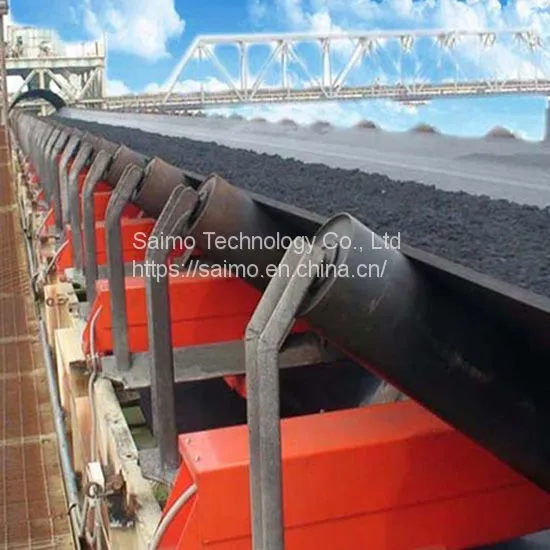
A belt scale is an instrument that weighs material continuously while a conveyor belt carries it. It reports a flow rate in tonnes per hour and an accumulated total in tonnes. No batch is stopped, no hopper is disconnected, and the conveyor keeps running at full production speed.
This continuous measurement matters for three reasons. It gives a running total for inventory and reconciliation. It provides a live feed-rate signal for process control and blending. And it creates an auditable record for commercial transactions where material changes ownership.
Saimo Technology Co Ltd has supplied belt scales for power, cement, mining, and port operations for decades. In these industries, a stable measurement of bulk flow is often the difference between a controlled process and a costly guess.
2. How a Belt Scale Works: The Basic Principle
The principle is straightforward. A belt scale weighs a section of belt together with the material resting on it, and it measures the belt speed at the same moment. Multiplying the load per unit length by the belt speed gives the instantaneous flow rate.
Integrating that flow rate over time produces the accumulated total. A simple way to picture it is a scale under a moving stream: the instrument keeps sampling weight and speed, then adds up every small increment into a running total.
In practice the calculation is handled continuously by an integrator. The integrator combines the load signal from the weighing element and the speed signal from a sensor, then displays and records the results.
Typical operating ranges help put the numbers in context. Belt speeds commonly run from roughly 0.5 to 5 metres per second, and flow rates can span from a few tonnes per hour on a small process conveyor up to several thousand tonnes per hour on a mine or port main line. The same weighing principle covers the whole span; what changes is the size and stiffness of the frame.
3. Core Components of a Belt Scale System
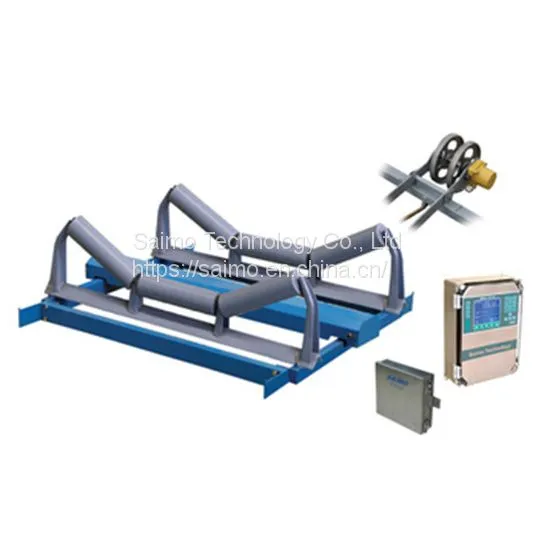
A belt scale is a system made of several parts that work together. Understanding the components helps when you compare suppliers or plan maintenance. The table below summarizes the main elements and what each one does.
| Component | Function |
|---|---|
| Weigh frame (weighbridge) | Supports one or more idlers and transfers the load to the load cells |
| Load cells | Convert mechanical force into an electrical signal proportional to weight |
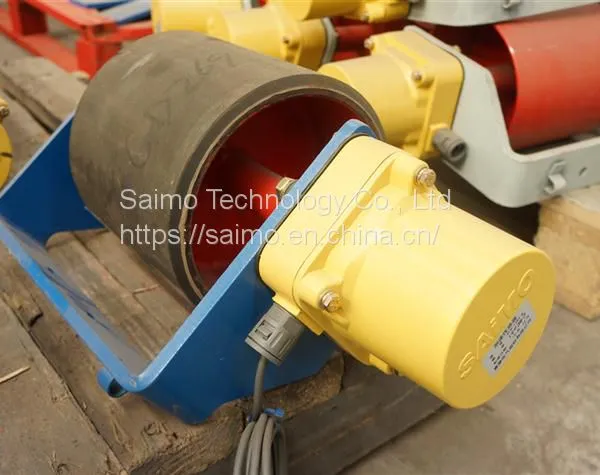
| Speed sensor | Measures belt travel speed, often from a tail pulley or return belt |
| Integrator (controller) | Combines load and speed signals to compute flow rate and total |
| Calibration weights | Apply a known reference load for zero and span checks |
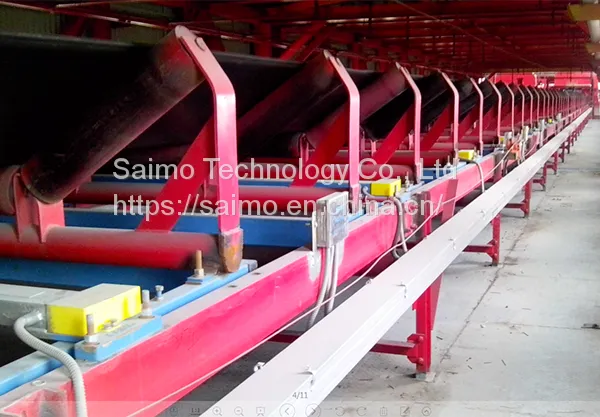
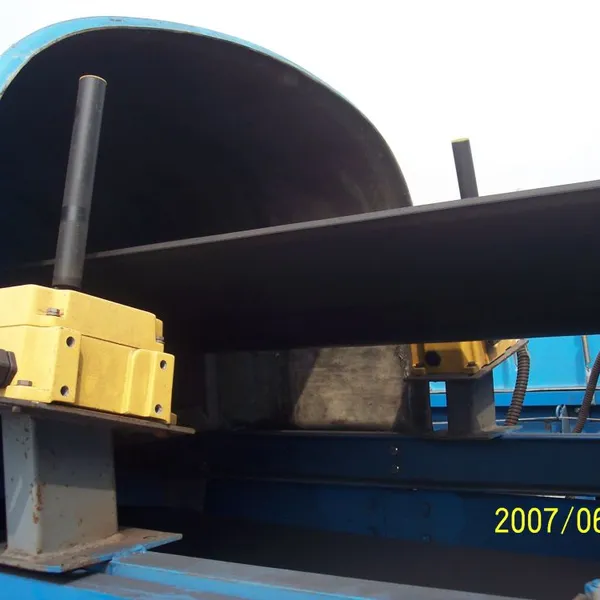
The weigh frame is the mechanical heart. It carries the idlers that support the belt and channels the vertical load to the load cells. The quality of this frame, its stiffness, and its alignment all influence how repeatable the measurement is.
A well-designed frame transfers only the vertical component of the load and rejects lateral forces that would otherwise confuse the reading. Some designs use a pivot or flexure to isolate the weighed section from the rest of the structure. This isolation is what allows the load cells to produce a stable signal even as the belt sags and shifts under load.
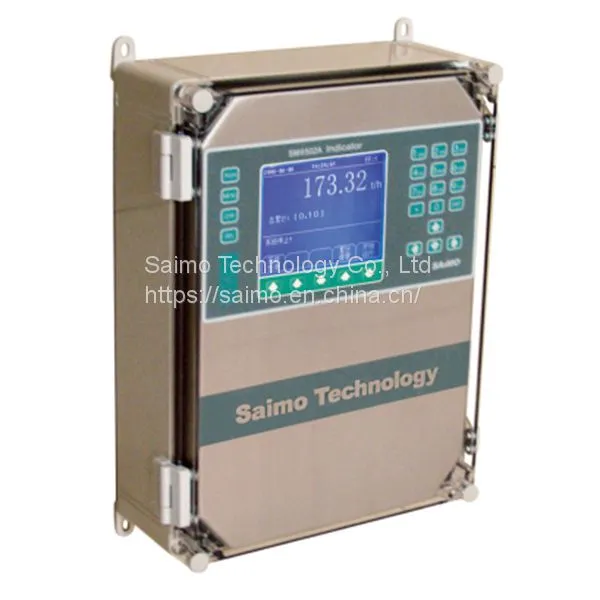
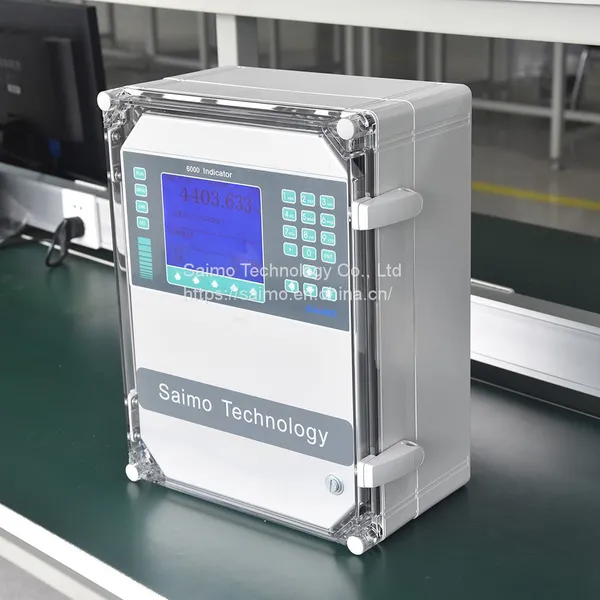
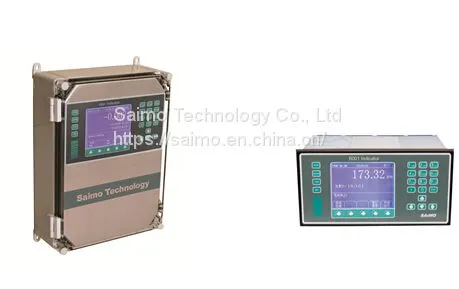
The integrator is the electronic heart. Saimo Technology produces integrators that pair with its weighing frames, and the matching of these two parts is important because a well-built frame can be let down by a poorly configured controller.
4. The Weighing Process Step by Step
When the conveyor is running, the process unfolds in a repeating cycle. The load cells sense the weight of belt and material over the weigh span, and the speed sensor reports how fast the belt is moving.
The integrator then removes the belt weight, a step called tare or zero reference. This leaves only the material load. Next it multiplies the net load by the belt speed to obtain the flow rate in tonnes per hour.
Finally the integrator accumulates the flow rate over time to build the total. Each of these steps happens continuously, typically many times per second, so short-term fluctuations are captured rather than averaged away blindly.
One detail worth noting is that the load cells see both the belt and the material. The empty-belt reference is therefore measured first, before material is introduced, so the integrator can subtract it cleanly. On a long conveyor the empty belt can weigh a substantial fraction of a full load, which is why the zero reference is not a trivial step.
5. Accuracy and What Affects It
Belt scale accuracy is usually expressed as a percentage of the totalized load over a range of flow rates. A well-installed, well-maintained system can often hold accuracy within roughly 0.5% of the total, while some high-precision designs aim for tighter bands.
Several factors influence the result. Belt tension must stay consistent because changes in tension alter how the load transfers to the idlers. Alignment of the weigh frame relative to the surrounding idlers is equally critical.
Material buildup on the frame or idlers adds weight that is not product. Belt speed variations beyond the design range can also introduce error. These are all manageable through proper installation and routine checks, which is why installation quality is discussed in detail later.
Temperature and moisture deserve a mention as well. Load cells drift slightly with temperature, so good designs compensate for this or use cells rated for the ambient range. Conveyors exposed to rain or washdown need sealed load cells and junction boxes so moisture does not corrupt the signal path. A dry, stable electrical environment keeps the measurement repeatable season after season.
6. Types of Belt Scales
Belt scales differ mainly in the number of idlers they weigh and how the load is applied. The choice depends on conveyor length, belt speed, load profile, and the accuracy you need. A short summary helps clarify the options.
| Type | Weighed Idlers | Typical Use |
|---|---|---|
| Single-idler | 1 | Lighter duty, moderate accuracy, cost-sensitive applications |
| Multi-idler | 2 to 4 | Higher accuracy, longer weigh span, heavier loads |
| Pivot / full-frame | Full frame section | Heavy-duty and high-precision trade applications |
Single-idler scales are simpler and generally less expensive, which makes them common where a rough inventory figure is enough. Multi-idler designs extend the weigh span and reduce sensitivity to uneven loading, so they suit billing-grade measurement.
Our team often guides buyers toward multi-idler configurations when the material is valuable or when the reading will support commercial settlement. The extra weigh span is a small premium against the risk of under-reporting.
7. Where Belt Scales Are Used
Belt scales appear wherever bulk solids move on a conveyor and someone needs to know how much moved. Power plants weigh coal feed, cement plants weigh limestone and clinker, and mines weigh ore leaving the pit.
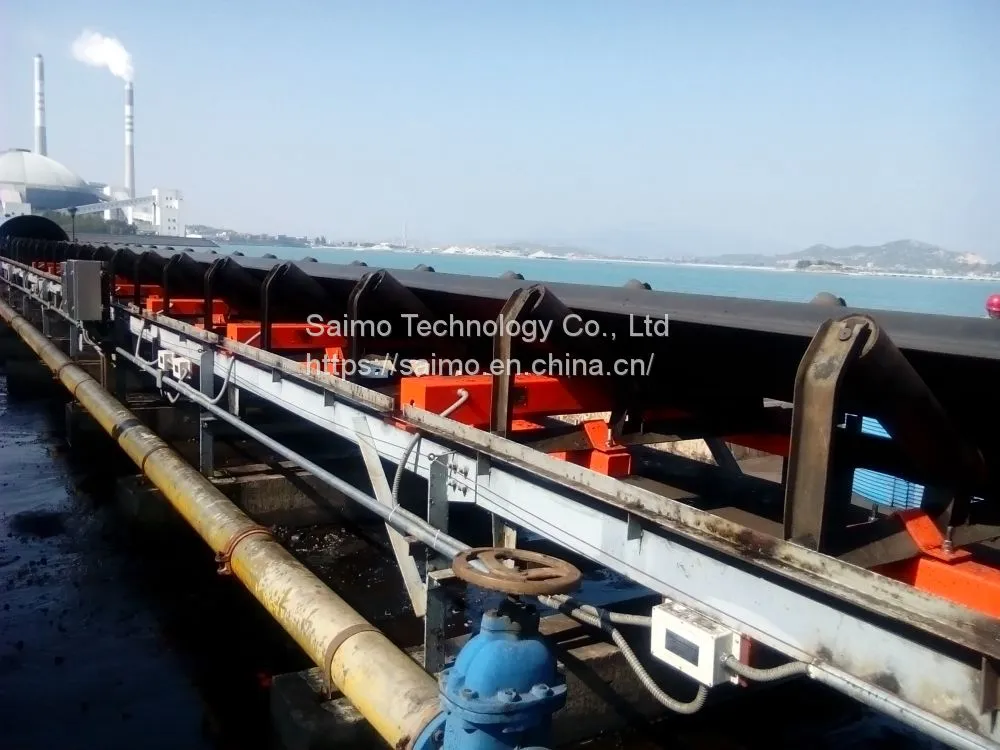
Ports and terminals weigh incoming or outgoing cargo. Fertilizer, grain, aggregate, and recycling operations all rely on the same continuous measurement. In each case the goal is the same: a dependable total without interrupting the flow.
The accuracy demand varies by sector, which is useful to know when comparing quotes. A power plant reconciling coal inventory against invoiced deliveries will ask for a tighter class than a quarry that only needs a daily production estimate. Matching the instrument class to the real commercial requirement avoids both under-specifying and paying for precision you do not use.
The company has installed belt scales across these sectors, and the common thread is that each customer wanted a measurement they could defend. That requirement shapes how the equipment is specified and installed.
8. Two Field Examples
The value of a belt scale is clearest in real operating conditions. The examples below describe typical situations, with figures that reflect what operators commonly observe rather than any single named site.
In the first case, a cement plant running a limestone conveyor at roughly 900 tonnes per hour replaced a manual sampling estimate with a multi-idler belt scale. The plant had been reconciling clinker output against raw material intake using periodic spot checks, and the variance was wide enough to trigger a financial review. After commissioning, the belt scale reduced the month-end inventory correction to well under 1%, which the team described as a meaningful improvement in cost control. The same reading now feeds the plant's raw mix proportioning logic.
A second, smaller example involved a port conveyor handling imported aggregate. A single-idler scale was enough there because the terminal only needed a daily throughput figure for planning rather than commercial billing. The operator fitted the scale and now pulls a daily total directly from the integrator instead of estimating from truck counts.
9. Choosing and Installing for Reliable Results
Most accuracy problems trace back to the conveyor, not the electronics. The weigh frame needs a stable, rigid conveyor section with consistent tension and no excessive sag. Idler alignment and spacing around the weigh span must follow the supplier's guidance.
Environment matters too. Dust, moisture, and vibration should be considered when selecting load cells and enclosures. Saimo Technology discusses these factors during specification so the equipment matches the actual conditions rather than an idealized drawing.
Positioning along the conveyor is a decision that is easy to overlook. The weigh span should sit away from loading points, drive pulleys, and sharp transitions, because these zones disturb the belt. A straight, horizontal run with stable tension gives the load cells the cleanest reading. Where a fully horizontal section is not available, the supplier can advise on an incline that still falls within the acceptable range.
Calibration should be part of the plan from day one. Zero and span checks using reference weights, or a material test where feasible, establish the baseline. Repeating those checks on a schedule keeps the reading honest over years of service.
10. Frequently Asked Questions
10.1 How accurate is a belt scale in practice?
Real-world accuracy depends on installation and maintenance more than on the instrument alone. A well-installed multi-idler belt scale can typically hold totalizer accuracy around 0.5% or better, while single-idler units may sit closer to 1%. Belt tension, idler alignment, and material buildup all pull the result away from the ideal. Routine zero and span calibration is what preserves the published figure over time.
10.2 What is the difference between a belt scale and a belt weigher?
The two terms mean the same instrument. Belt weigher is the more traditional name, while belt scale is common in North American usage. Both describe a system that weighs material continuously on a moving conveyor and reports flow rate plus accumulated total. When you see either term in a specification, the function being described is identical.
10.3 Can a belt scale be used for trade or billing?
Yes, provided the installation meets the accuracy class and approval requirements that apply in your region. Billing-grade applications generally call for a multi-idler weigh frame, careful alignment, and periodic verification. Some jurisdictions also require legal metrology approval. A supplier with commercial-weighing experience can advise on the specific requirements for your market.
10.4 How often should a belt scale be calibrated?
A practical starting point is a zero check on a frequent schedule and a span or material test at longer intervals. The exact frequency depends on duty, belt wear, and how stable the conveyor is. Many operators run a zero check weekly or when the belt is replaced, then perform a full calibration monthly or quarterly. Consistent records make it easier to spot drift before it affects the total.
Recently Posted
-
Saimo Technology: A 30-Year Journey in Bulk Material Weighing
September 1, 2026Behind every bulk handling operation that runs on trustworthy numbers is a company that spent decades learning how to produce thos Read More
 -
Coal Weighing Feeders in Power Plants: How Fuel Feed Control Keeps Combustion on Target
September 1, 2026In a coal-fired power plant, the journey from bunker to burner begins with a single piece of equipment that decides how much fuel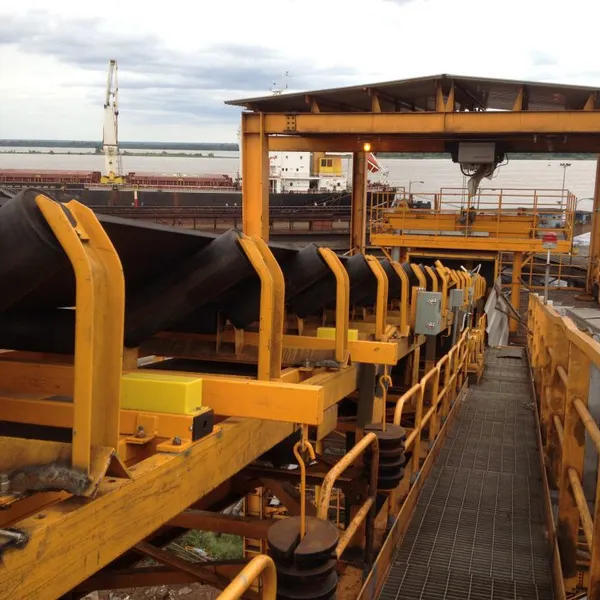 Read More
 -
Belt Scale Accuracy Standards: OIML R50 and What the Classes Really Mean
August 31, 2026A purchaser who asks for "a 0.5% belt scale" without stating the standard is comparing prices against a number that has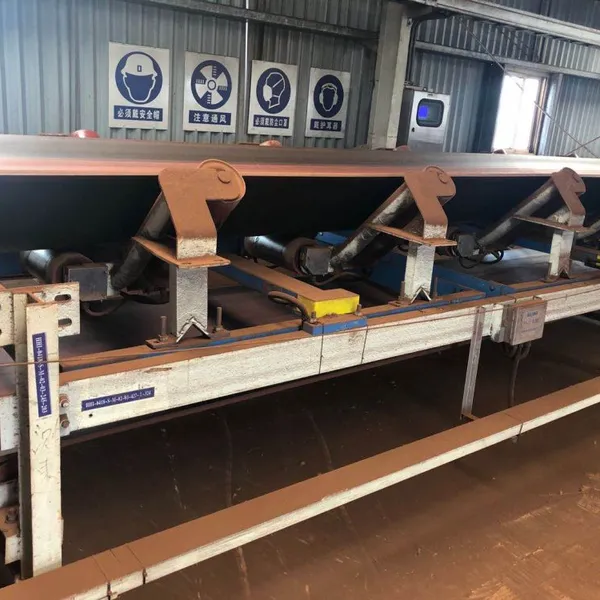 Read More
 -
How to Choose a Coal Weighing Feeder: A Buyer's Guide for Reliable Fuel Metering
August 28, 2026A coal feeder that meters fuel at the wrong rate does not announce itself with a loud failure. It delivers a slightly lean or rich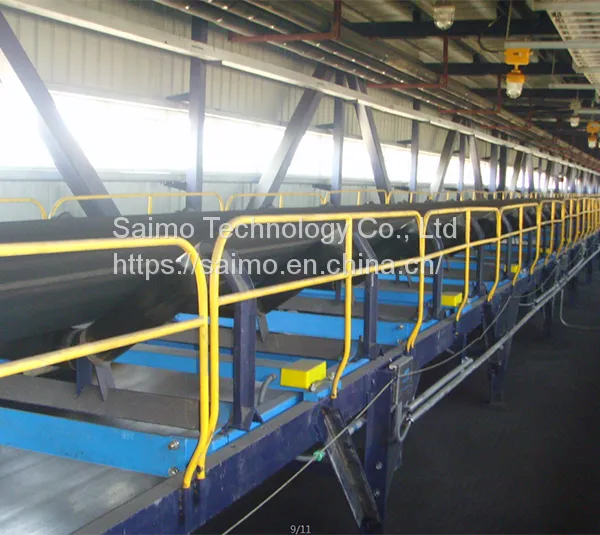 Read More

Contact Us
Recommended Products
-
 SAIMO Automatic Train Sampler Auger Sampling Systems Coal SamplesNegotiableMOQ: 1 Combo
 -
Saimo's Model S70 Sweep Type Sampling Machine Sampling SystemNegotiableMOQ: 1 Set
-
SAIMO Pressure-resistant Gravimetric Coal Feeder, Model F55NegotiableMOQ: 1 Piece
-
Saimo F52 Mid Range Weigh Belt Feeder System Weighing FeederNegotiableMOQ: 1 Piece
-
Saimo Feeder Controller Weighing Controllers 6105/6105B FH-02-6000PNegotiableMOQ: 1 Piece
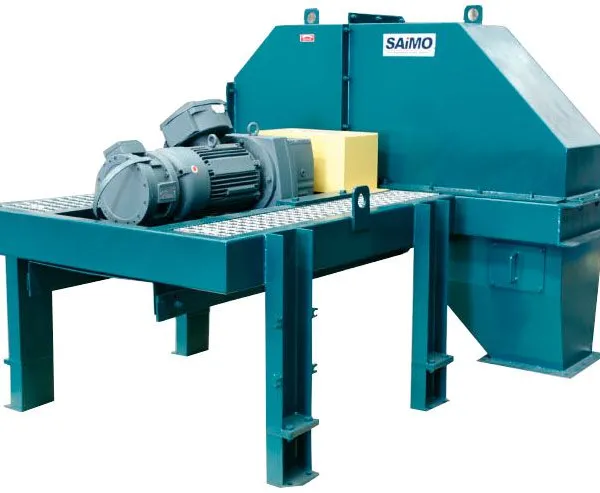
-
SAIMO Electronic PLR20-2D-J PL20 Safety Pull Switches Conveyor ProtectionsNegotiableMOQ: 1 Piece
-
SAIMO Electronic Belt Misalignment Switch ROS-2D-FM RUN OFF SWITCHES EXtaIIICNegotiableMOQ: 1 Piece
-
Saimo 6301 Belt Scale Integrator 6301D Digitizer FH-03-6000FNegotiableMOQ: 1 Piece
-
Saimo Speed Detector PLR12R/PLR12RN/PLR12RS Speed SensorNegotiableMOQ: 1 Piece
-
Saimo Technology ICS-FH-2 Belt ScaleNegotiableMOQ: 1 Piece
-
SAIMO F57 Fluidized Bed Boiler Coal FeederNegotiableMOQ: 1 Combo
-
SAIMO Automatic Truck Sampler Auger Sampling Systems Coal SamplesNegotiableMOQ: 1 Combo
-
SAIMO F55 Pressure-Tolerant Weighing Coal FeederNegotiableMOQ: 1 Combo
-
Saimo Feeder Controller Belt Integrator6001/6001B FH-10-6000FNegotiableMOQ: 1 Piece
-
Saimo Technology PL50 Belt Damage Detector PLR50NegotiableMOQ: 1 Piece
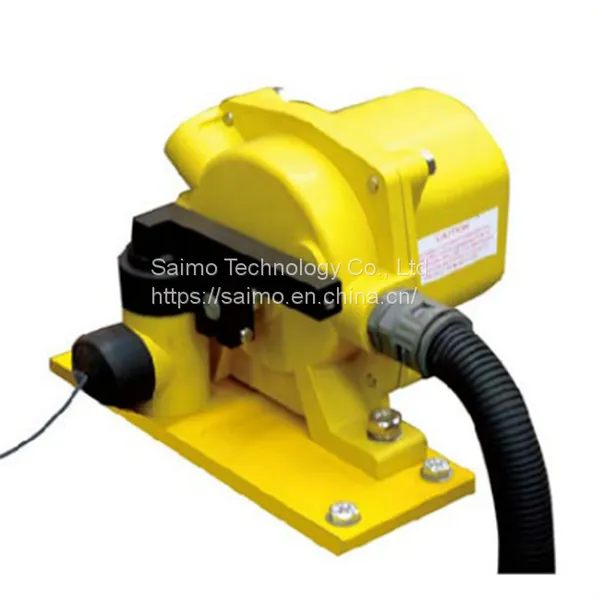
-
Saimo's Auger Type Sampling Systems AUGER SAMPLING SYSTEM FOR TRUCKNegotiableMOQ: 1 Set
-
Saimo's Model S76 Sampling UnitNegotiableMOQ: 1 Set
-
SAIMO ICS-FH-16 High Precision Belt ScaleNegotiableMOQ: 1 Combo
-
Saimo 6101 Belt Scale Integrator 6000 Integrator FH-10T-6000FNegotiableMOQ: 1 Piece
-
Saimo Technology Tilt Switch Probe Model PLR30M-FM EXta IIICNegotiableMOQ: 1 Piece