
 Business License

Coal Weighing Feeders in Power Plants: How Fuel Feed Control Keeps Combustion on Target
In a coal-fired power plant, the journey from bunker to burner begins with a single piece of equipment that decides how much fuel reaches the mill. When that feeder over-delivers or under-delivers, the boiler responds with unstable combustion, and the correction shows up as excess air, higher emissions, or lost efficiency.
If you operate or specify equipment for a power plant, the coal weighing feeder is one of the highest-leverage instruments on the fuel path. It is the point where fuel transitions from stored inventory into a controlled process stream.
This guide explains the role of the coal weighing feeder in a power plant, why gravimetric control matters, how the feeder fits into the fuel system, and what to watch for in operation and specification.
1. The Feeder's Place in the Fuel System
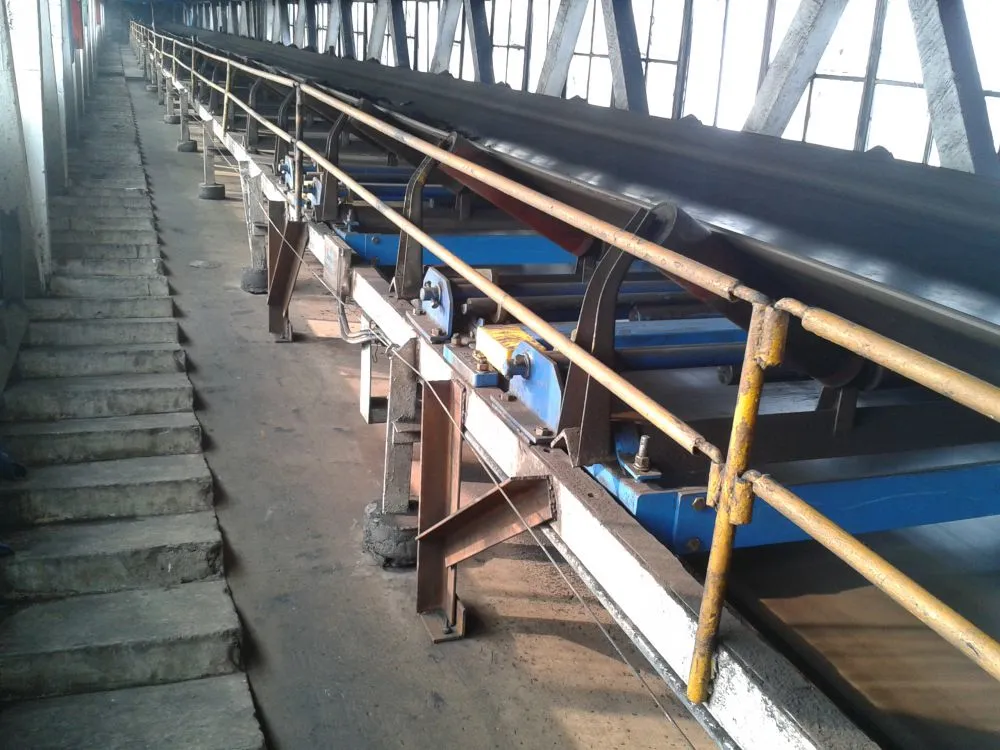
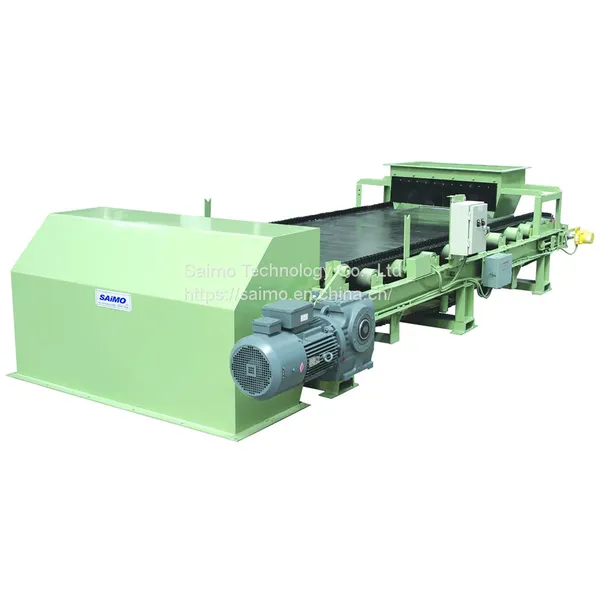
The typical coal path in a pulverized-coal plant runs from the bunker, through the feeder, into the pulverizer, and then to the burners. The feeder sits between the bunker outlet and the mill inlet, and it is the element that meters coal into the mill at a controlled rate.
Its job is to match fuel delivery to the boiler's demand signal. When the load changes, the control system commands a new feed rate, and the feeder must respond by delivering exactly that amount of coal to the mill.
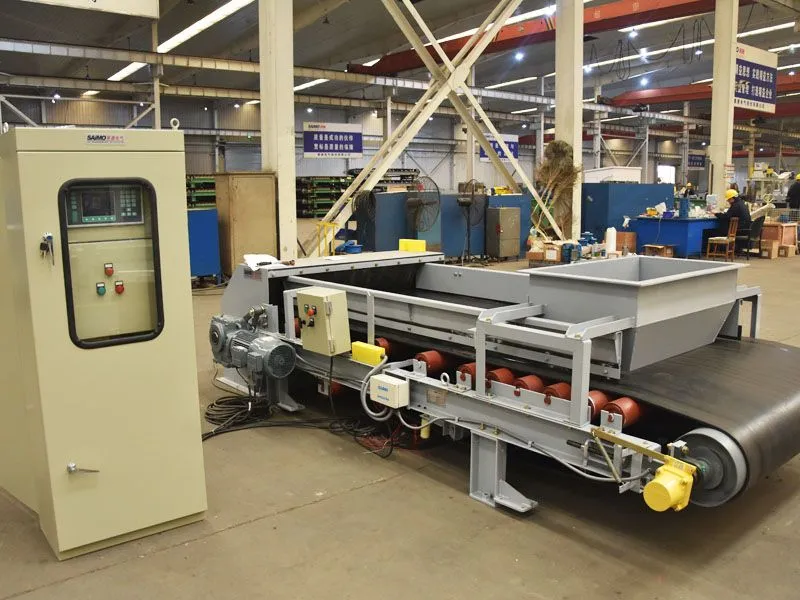
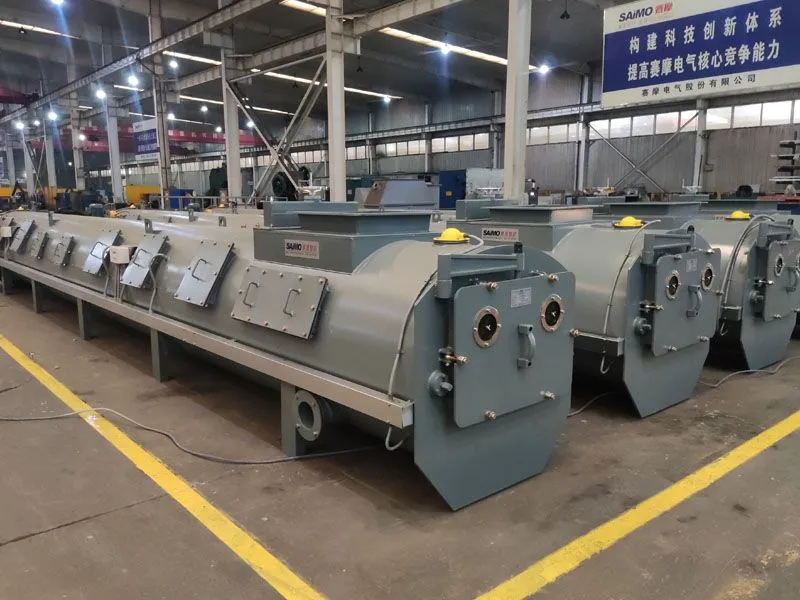
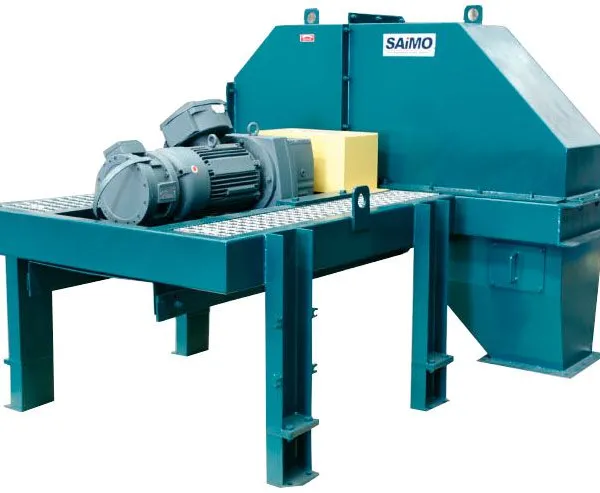
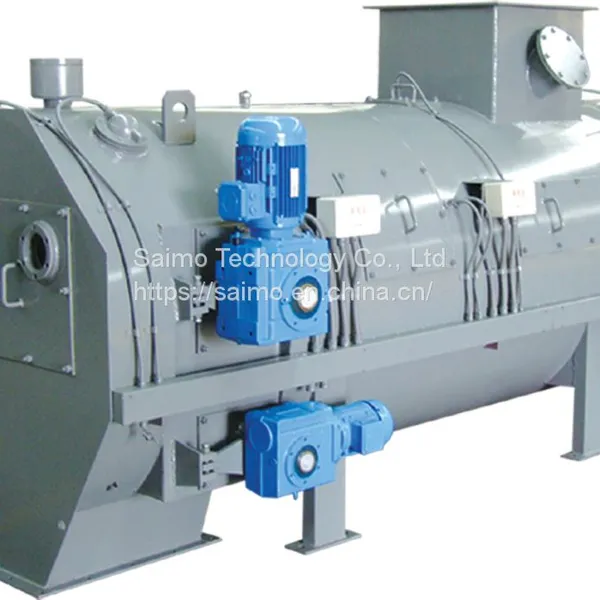
Saimo Technology Co Ltd supplies coal weighing feeders for this application, and the design emphasis is on steady, repeatable delivery under the dust and duty conditions that power plants present.
The feeder also acts as a measurement point for fuel accounting. Because it totalizes the coal it delivers, the plant can reconcile how much fuel left the bunker against how much the boiler consumed. That dual role, both metering device and accounting instrument, is part of why the feeder's accuracy carries real financial weight.
2. Why Gravimetric Beats Volumetric in Combustion
The central reason a power plant uses a weighing feeder rather than a simple volumetric feeder is that coal bulk density changes. Moisture, particle size, and compaction all vary, so a fixed volume of coal does not contain a fixed weight of fuel.
A volumetric feeder delivers a set volume and trusts that the density is stable. When density drifts, the actual fuel weight delivered drifts with it, and the boiler sees a fuel flow it did not command. A gravimetric coal weighing feeder weighs the material and adjusts belt speed to deliver a set weight per hour, correcting for density changes automatically.
This correction is what keeps combustion stable as the coal changes from one delivery to the next. The boiler burns a consistent weight of fuel, which is the basis of consistent heat release and controllable excess air.
The difference shows up most clearly in the air-to-fuel ratio. Combustion control adjusts air flow to match the fuel burned, and if the fuel weight is unknown or drifting, the controller is chasing a moving target. A gravimetric feeder fixes the fuel side of that equation, so the air side can be tuned against a real, measured fuel flow.
3. The Control Loop Behind Steady Delivery
The gravimetric feeder works as a closed loop. A load measurement on the weigh span reports the mass of coal on the belt, and a speed sensor reports belt velocity. The controller multiplies the two to obtain the instantaneous feed rate.
When that rate differs from the setpoint, the controller adjusts the belt drive to bring it back in line. The loop runs continuously, so the feeder corrects for a change in coal density, a fluctuating bunker level, or a load change almost as fast as they occur.
The result is a feed rate that tracks the boiler demand signal closely. This responsiveness is what allows a modern plant to follow load swings without the fuel side lagging behind the combustion side.
There is a subtlety in how the loop treats the belt weight. The controller separates the weight of the empty belt from the weight of the coal, so the rate calculation reflects fuel only. That zero reference is checked periodically, because a small error in the empty-belt reference translates directly into a persistent offset in the delivered fuel weight.
4. Matching Feeder Capacity to Boiler Demand
Feeder sizing starts with the mill's fuel requirement across the boiler's load range. The feeder must deliver the maximum rate the mill needs at full load, while still controlling accurately at low load when the plant is operating at reduced output.
Turndown matters here as much as peak capacity. A power plant spends many hours at partial load, so the feeder must hold its accuracy across a wide range rather than only at the top. A feeder with a broad controlled turndown serves the plant through the full operating envelope.
The table below shows how feeder requirements typically map to plant operating conditions, in general terms rather than for any specific unit.
| Operating Condition | Feed Rate | Feeder Requirement |
|---|---|---|
| Full load | Maximum rated rate | Steady delivery at high rate |
| Partial load | Reduced rate | Accuracy held at low rate |
| Load change | Ramping rate | Fast, smooth response |
| Fuel change | Rate re-target | Density correction via weighing |
5. Fuel Variability and Its Effect on the Feeder
Coal quality is rarely constant, and the feeder must tolerate the swings. Moisture content can rise with wet weather or a new supply source, changing both density and flow behavior. Particle size and fines content also shift how the coal loads onto the belt.
A gravimetric feeder absorbs these changes through its weighing loop. Because it measures weight rather than volume, it keeps delivering the commanded fuel weight even as the physical character of the coal changes.
The feeder's material handling design must also cope with the fuel. Hopper geometry, belt selection, and any cleaning arrangements should suit the coal the plant actually burns, including wet or sticky fuel when that is part of the supply profile.
Seasonal variation is a common reality. A plant that stores coal outdoors may see higher moisture after wet weather, and the feeder must keep metering accurately through that change. A feeder specified only for dry, free-flowing coal can struggle when the fuel arrives damp, so the fuel range should cover the worst case, not the average.
6. Reliability and Safety in the Coal Environment
Coal handling is a dusty, potentially combustible environment, and the feeder sits in the middle of it. Reliability and safety are therefore as important as measurement accuracy when a plant chooses a coal weighing feeder.
Electrical equipment in classified areas must match the hazardous-area rating, and dust ingress must be controlled so the load cells and electronics hold their calibration. A feeder that drifts because dust has reached a load cell is a maintenance problem that also becomes a combustion problem.
Our team designs coal feeders with sealed weighing elements and protected belt paths, because in a power plant the instrument is expected to run for long stretches between outages, not to need constant attention.
Belt tracking and slip detection add another layer of protection. A feeder that can detect a slipping or stalled belt can raise an alarm before the fuel flow drops silently. In a combustion process, an unnoticed feed loss can produce a dangerous fuel-air imbalance, so early detection is a safety feature as much as a reliability feature.
7. Two Field Examples
The impact of feed control is clearest when you look at how plants experience it in operation. These examples describe representative situations rather than specific named facilities.
In the first case, a plant that had been running volumetric feeders switched to gravimetric coal weighing feeders after persistent difficulty holding combustion steady during load changes. The old feeders delivered a consistent volume, but the fuel weight drifted as coal moisture varied, forcing the operators to chase the air-to-fuel ratio manually. After the gravimetric feeders were installed, the fuel weight delivered matched the boiler demand signal directly, and the operators reported noticeably steadier furnace conditions during ramping. The improvement traced back to the closed-loop weighing correction that the volumetric units lacked.
A second example involved a smaller industrial boiler burning a coal with a wide moisture range. The plant selected a coal weighing feeder with a sealed weigh frame and a broad turndown, and it held the set rate through fuel changes that had previously required frequent operator intervention.
8. What to Specify for a Power Plant Feeder
When you write a specification for a coal weighing feeder, several points deserve explicit attention beyond the headline feed rate. These are the details that determine long-term performance in a power plant.
State the fuel range, including moisture and particle size, and the full feed rate band with the low-load point. Specify the accuracy as a percentage of actual rate, and define the turndown you need. Confirm the area classification and the control interface with your plant's systems.
Saimo Technology works through these points during specification so the feeder that arrives matches the plant's actual duty rather than a generic description. Getting these details right up front is what separates a feeder that runs quietly for years from one that becomes a recurring maintenance item.
9. The Payoff of Accurate Fuel Feed
The benefits of accurate gravimetric fuel feed compound across the plant. Consistent fuel weight means consistent heat release, which supports a stable furnace temperature and a predictable steam output. It also makes the air-to-fuel ratio controllable, which supports lower excess air and better combustion efficiency.
Fuel accounting improves too. When each feeder reports an accurate delivered weight, the plant can reconcile bunker withdrawals against the coal actually burned, which sharpens both fuel inventory and cost reporting.
Over a full operating year these steady gains accumulate. A plant that trims excess air and reduces manual correction also reduces the wear that comes from operating off-design, so the benefits extend beyond the immediate fuel savings into longer equipment life and fewer operator interventions.
None of these benefits appears as a single dramatic event. They show up as steadier operation, fewer manual corrections, and a fuel path that the operators can trust, which is the real measure of a well-chosen coal weighing feeder.
10. Frequently Asked Questions
10.1 Why do power plants use gravimetric coal feeders?
Power plants use gravimetric coal weighing feeders because coal bulk density changes with moisture, particle size, and compaction, so a fixed volume does not contain a fixed weight of fuel. A gravimetric feeder weighs the coal and adjusts belt speed to deliver a set weight per hour, keeping the fuel delivered to the mill consistent even as the coal changes. That consistency is the foundation of stable combustion and controllable excess air.
10.2 How does a coal weighing feeder respond to a load change?
When the boiler load changes, the control system sends a new feed-rate setpoint to the feeder. The feeder's closed loop compares the measured rate with the setpoint and adjusts the belt speed to match. Because the loop runs continuously, the correction happens quickly, allowing the fuel side to track the combustion side during ramping without a long lag.
10.3 What maintenance does a coal weighing feeder need?
Routine maintenance centers on the belt, the idlers, and the weighing elements. The belt wears and needs periodic inspection and replacement, the idlers and bearings need service, and the load cells need recalibration on a schedule. In a coal environment, keeping dust out of the weighing elements and electronics is essential to holding calibration between outages.
10.4 Can one feeder handle a wide range of coal types?
Yes, provided the feeder is specified for the actual fuel range. A gravimetric feeder corrects for density changes through weighing, but the material-handling features such as hopper geometry and belt selection must also suit wet or sticky coal when that is part of the supply. Stating the full fuel range during specification lets the supplier match both the weighing and the handling design to the plant's real conditions.
Recently Posted
-
Saimo Technology: A 30-Year Journey in Bulk Material Weighing
September 1, 2026Behind every bulk handling operation that runs on trustworthy numbers is a company that spent decades learning how to produce thos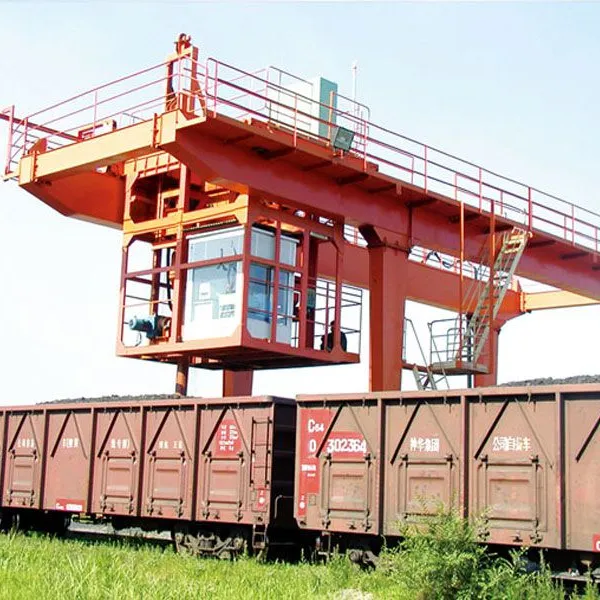 Read More
 -
Belt Scale Accuracy Standards: OIML R50 and What the Classes Really Mean
August 31, 2026A purchaser who asks for "a 0.5% belt scale" without stating the standard is comparing prices against a number that has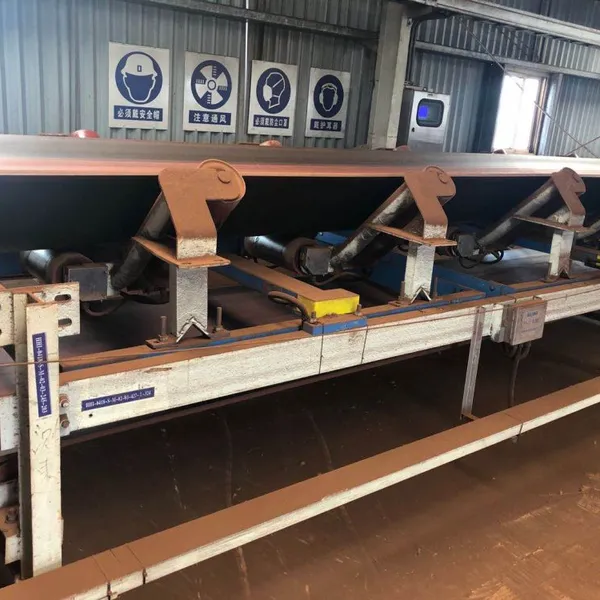 Read More
 -
How to Choose a Coal Weighing Feeder: A Buyer's Guide for Reliable Fuel Metering
August 28, 2026A coal feeder that meters fuel at the wrong rate does not announce itself with a loud failure. It delivers a slightly lean or rich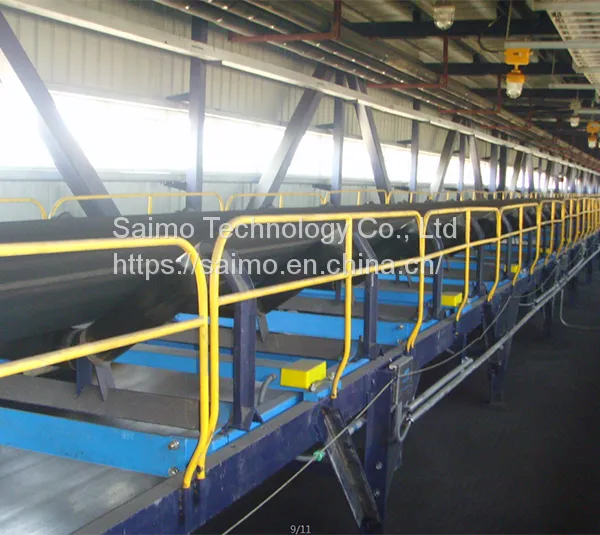 Read More
 -
Belt Scale vs Weighing Feeder: Which One Do You Need for Bulk Material Handling
August 27, 2026A plant that buys a weighing feeder when it really needed a belt scale, or the other way around, often does not notice the mismatc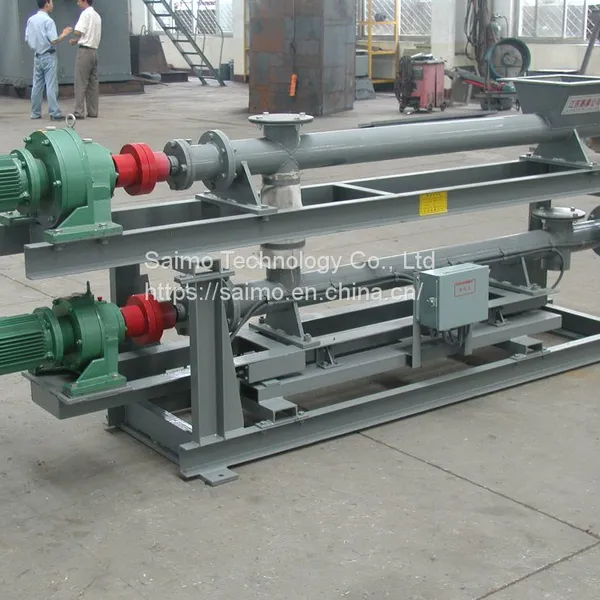 Read More

Contact Us
Recommended Products
-
 SAIMO Automatic Train Sampler Auger Sampling Systems Coal SamplesNegotiableMOQ: 1 Combo
 -
Saimo's Model S70 Sweep Type Sampling Machine Sampling SystemNegotiableMOQ: 1 Set
-
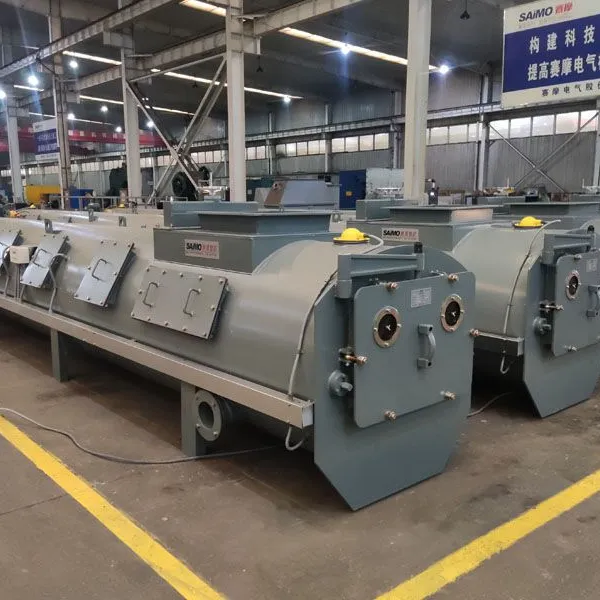
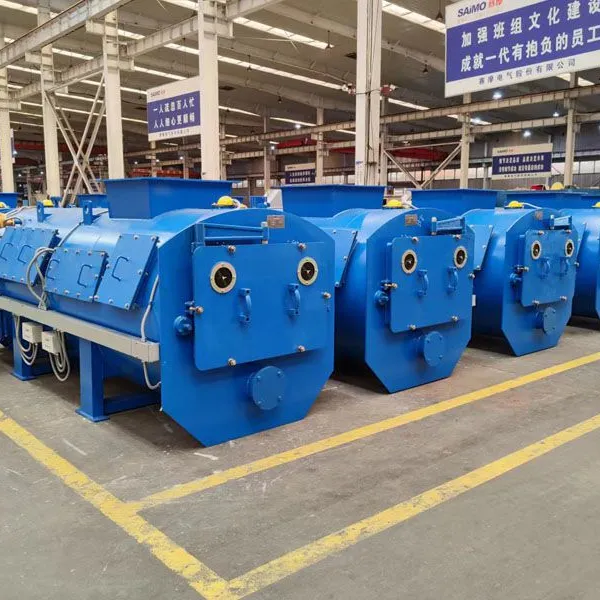
SAIMO Pressure-resistant Gravimetric Coal Feeder, Model F55NegotiableMOQ: 1 Piece
-
Saimo F52 Mid Range Weigh Belt Feeder System Weighing FeederNegotiableMOQ: 1 Piece
-
Saimo Feeder Controller Weighing Controllers 6105/6105B FH-02-6000PNegotiableMOQ: 1 Piece
-
SAIMO Electronic PLR20-2D-J PL20 Safety Pull Switches Conveyor ProtectionsNegotiableMOQ: 1 Piece
-
SAIMO Electronic Belt Misalignment Switch ROS-2D-FM RUN OFF SWITCHES EXtaIIICNegotiableMOQ: 1 Piece
-
Saimo 6301 Belt Scale Integrator 6301D Digitizer FH-03-6000FNegotiableMOQ: 1 Piece
-
Saimo Speed Detector PLR12R/PLR12RN/PLR12RS Speed SensorNegotiableMOQ: 1 Piece
-
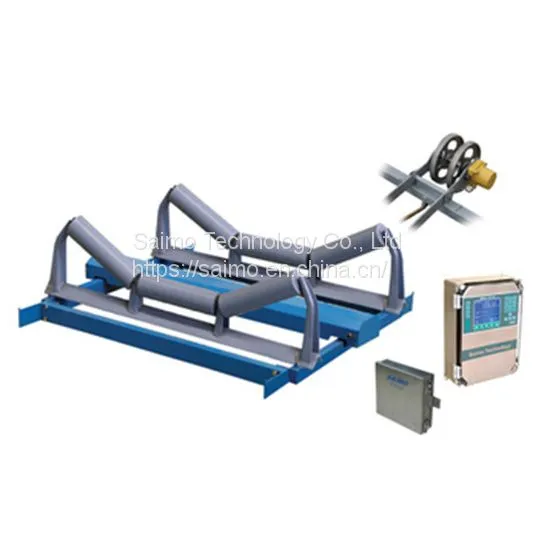
Saimo Technology ICS-FH-2 Belt ScaleNegotiableMOQ: 1 Piece
-
SAIMO F57 Fluidized Bed Boiler Coal FeederNegotiableMOQ: 1 Combo
-
SAIMO Automatic Truck Sampler Auger Sampling Systems Coal SamplesNegotiableMOQ: 1 Combo
-
SAIMO F55 Pressure-Tolerant Weighing Coal FeederNegotiableMOQ: 1 Combo
-
Saimo Feeder Controller Belt Integrator6001/6001B FH-10-6000FNegotiableMOQ: 1 Piece
-
Saimo Technology PL50 Belt Damage Detector PLR50NegotiableMOQ: 1 Piece
-
Saimo's Auger Type Sampling Systems AUGER SAMPLING SYSTEM FOR TRUCKNegotiableMOQ: 1 Set
-
Saimo's Model S76 Sampling UnitNegotiableMOQ: 1 Set
-
SAIMO ICS-FH-16 High Precision Belt ScaleNegotiableMOQ: 1 Combo
-
Saimo 6101 Belt Scale Integrator 6000 Integrator FH-10T-6000FNegotiableMOQ: 1 Piece
-
Saimo Technology Tilt Switch Probe Model PLR30M-FM EXta IIICNegotiableMOQ: 1 Piece