
 Business License

Belt Scales for Cement Plants: Measuring Raw Material From Quarry to Kiln
A cement plant that guesses how much limestone crossed a conveyor is guessing at the recipe itself. Raw meal proportioning depends on known quantities of each material, and when the measurement drifts, the kiln burns a blend that is quietly off-spec. The cost shows up later as clinker quality problems that are expensive to trace.
If you run or specify equipment for a cement operation, the belt scale is one of the quiet workhorses of the material flow. It sits on the conveyors that move limestone, additives, clinker, and finished product, and it supplies the numbers the whole mass balance depends on.
This guide explains how belt scales are used across the cement process, what makes the cement environment demanding, and what to consider when specifying or maintaining them.
1. Where Belt Scales Fit in the Cement Process
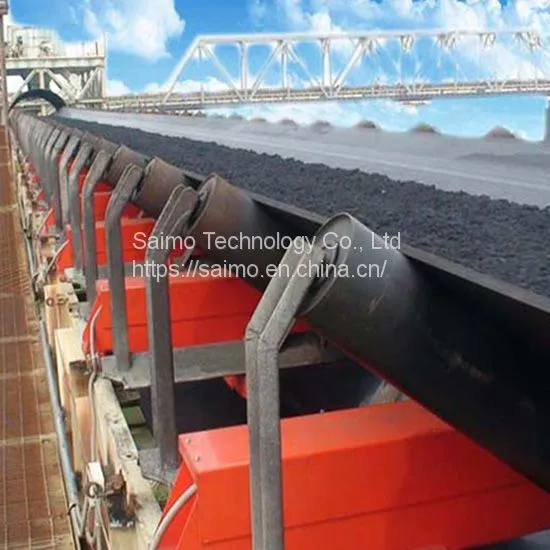
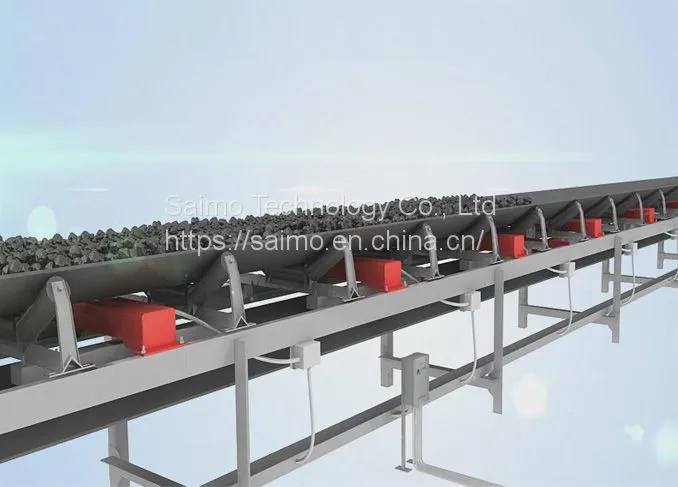
Cement production moves enormous tonnages of bulk material through a continuous chain. Limestone is crushed and carried to raw material storage, blended with additives, ground into raw meal, fired into clinker, and finally ground into cement with gypsum and other additions.
At several points along that chain, someone needs to know how much material moved. A belt scale provides that measurement without stopping the conveyor, which is why it appears on quarry reclaim conveyors, raw material feed lines, and clinker transport routes.
Saimo Technology Co Ltd supplies belt scales for these applications, and the common requirement across them is a measurement that holds up under heavy, dusty, continuous duty.
2. Raw Material Measurement at the Front of the Process
The first measurement point is usually the raw material side. Limestone from the quarry is the dominant ingredient, often representing the largest single material flow in the plant. Knowing the delivered tonnage is essential for both inventory and the raw mix calculation.
A belt scale on the limestone reclaim conveyor gives a running total of how much stone has moved into the process. That figure feeds the mass balance, so the plant knows how much of each additive to blend to hit the target chemical composition.
Because limestone is the largest flow, its measurement sets the baseline for everything downstream. If the limestone total is uncertain, the additive quantities are being blended against a moving target. Getting this one measurement right is often the single highest-value improvement a plant can make on its raw material side.
Additives such as clay, shale, sand, and iron ore move on their own conveyors, often at far lower tonnages than limestone. Each stream may carry a belt scale so the blend ratio is built from measured quantities rather than estimates.
These additive streams are where measurement error hurts most, even though the tonnages are small. A small percentage error on an iron ore correction, which is added in small amounts, can shift the raw mix chemistry more than a similar error on the main limestone flow. Accurate low-rate measurement on additive lines is therefore worth the attention it rarely gets.
3. Clinker and Finished Product Measurement
Beyond the kiln, clinker is conveyed to storage and to the finish mill. Measuring clinker flow tells the plant how much product the kiln actually produced, which is a key operating figure for both production and cost accounting.
Finished cement and its additions are measured for inventory and shipping. A belt scale on the cement transport conveyor supports reconciliation against sales and against the plant's overall mass balance.
A complete mass balance across the plant is only possible when the measurements at each stage are consistent with one another. When raw material input, clinker output, and finished cement shipments are all measured with reliable scales, the plant can close its material balance monthly without large unexplained gaps. That closed balance is itself a quality signal, because a stable balance usually means a stable process.
Each of these points has a different accuracy requirement. Raw material and clinker measurement often tolerate a process-class scale, while anything used for billing or custody transfer may need a tighter, trade-class instrument.
4. Why the Cement Environment Demands a Robust Scale
Cement plants are dusty, and cement dust is fine, abrasive, and pervasive. It finds its way into bearings, enclosures, and electronics if the equipment is not designed to keep it out. A belt scale that cannot resist dust will drift and lose calibration quickly.
Vibration is another constant. Crushers, mills, and kiln drives shake the surrounding structure, and the load cells must be able to reject that mechanical noise to keep a clean weight signal.
The weigh frame's mechanical isolation is what separates a clean signal from a noisy one. A well-designed frame transfers only the vertical load component and rejects lateral forces, so the vibration that is always present near crushers and mills does not masquerade as product weight. That isolation is part of why a purpose-built cement-plant scale outperforms a general-purpose instrument dropped into the same location.
Temperature swings across the plant add a further demand. Equipment near the kiln sees heat, while outdoor conveyors see wide daily and seasonal swings. Load cells and electronics should be rated for the conditions they actually face.
Moisture is a factor on the raw material side as well. Wet limestone or additives can stick to the belt and the weigh frame, and a build-up changes both the tare weight and the load transfer. Belts and cleaning arrangements should be chosen with the material's moisture in mind, not just its dry density.
5. The Link Between Measurement and Raw Mix Quality
The raw mix is the heart of clinker quality. Getting the proportions of limestone, silica, alumina, and iron right is what allows the kiln to produce clinker that grinds into consistent cement. Those proportions are only as good as the measurements behind them.
When a belt scale under-reports or over-reports a raw material stream, the resulting raw meal is off-target. The kiln operator compensates, but compensation introduces its own instability, and the quality cost compounds through the rest of the process.
This is why a dependable belt scale is not just an accounting tool in a cement plant. It is part of the quality control chain, and its accuracy feeds directly into the consistency of the product.
The chemistry makes the point concrete. Limestone supplies calcium, while silica, alumina, and iron come largely from the additives, and the ratios among them set the kiln's burning behavior. If a scale over-reports the silica source by even a modest percentage, the raw meal shifts toward a harder-burning mix, and the kiln must run hotter or slower to compensate. A few percentage points of measurement drift become real changes in fuel consumption and clinker consistency.
6. Choosing the Right Scale for Each Point
Not every measurement point needs the same class of instrument. A quarry reclaim conveyor that feeds a large stockpile may only need a process-class scale for inventory, while a raw material feed line that drives the raw mix may justify a tighter instrument.
The table below summarizes how the requirement typically varies by location, so you can match the scale class to the job rather than over- or under-specifying.
| Location | Typical Requirement | Suggested Class |
|---|---|---|
| Quarry reclaim / stockpile feed | Inventory total | Process class |
| Raw material feed lines | Raw mix proportioning | Higher accuracy |
| Clinker transport | Production accounting | Process to trade class |
| Cement / finished product | Inventory and shipping | Trade class where billing |
7. Installation Considerations in a Cement Plant
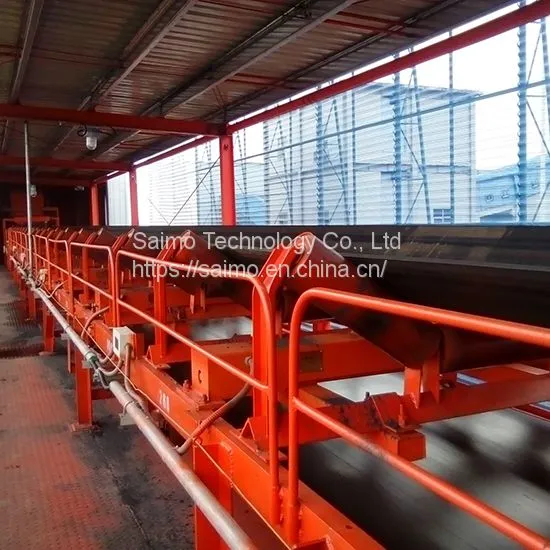
The conveyor is part of the weighing system, and in a cement plant the conveyor is often long, inclined, or both. A straight, stable section with correct idler alignment gives the load cells their strongest chance, so the weigh span should be placed away from loading points and sharp transitions.
Dust protection is part of installation, not an afterthought. Sealed load cells, protected junction boxes, and clean cable routing all contribute to keeping the scale accurate between service intervals.
Our team reviews the conveyor details before quoting, because the same instrument can deliver very different results on a well-prepared conveyor versus one with sagging or misaligned idlers.
Inclined conveyors, which are common in cement plants, need particular care. The weigh span should still be positioned for stable loading, and the belt tension must be managed so the load transfers cleanly to the load cells. An experienced supplier will confirm whether the incline falls within the acceptable range before promising an accuracy class.
8. Two Field Examples
The value of good measurement is clearest in operation. These examples describe typical cement-plant situations rather than any specific named site.
In the first case, a plant measuring limestone on a reclaim conveyor had been reconciling raw material against clinker output using periodic spot checks, and the month-end variance was large enough to trigger a formal review. A multi-idler belt scale was installed on the limestone line, and the running total began matching weighbridge records closely enough that the plant reduced its inventory correction to a small fraction of what it had been. The same reading was then used to improve the raw mix calculation, which the team credited with steadier kiln operation.
A second, smaller example involved an additive conveyor carrying iron ore at a low tonnage. A single-idler scale was sufficient there, and it gave the plant a daily figure it had previously estimated, which was enough to tighten the blend records without a large investment.
9. Maintaining Accuracy Over the Long Run
A belt scale in a cement plant lives in a harsh environment, so maintenance matters more than in a clean application. Dust buildup on the weigh frame and idlers adds phantom weight, and it must be cleaned on a schedule rather than when someone notices the drift.
Zero and span checks should be part of the routine, using reference weights or a material test where the conveyor allows. The frequency depends on duty, but the key is to record the checks so drift can be seen early.
Saimo Technology advises customers on a maintenance schedule matched to their conditions, because the difference between a scale that stays accurate for years and one that drifts quietly is mostly a matter of routine attention.
Spare load cells and a spare speed sensor are worth keeping on hand, because a failed component on a critical conveyor can otherwise stop the measurement for days while a replacement is sourced. In a cement plant that runs continuously, the cost of an unmeasured conveyor is usually far higher than the cost of holding a few spare parts.
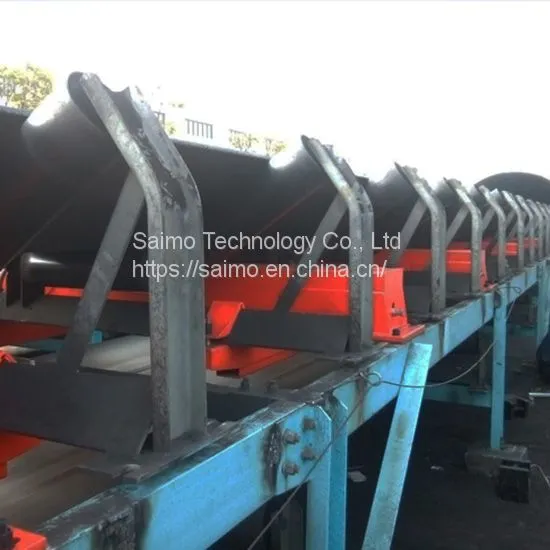
10. Frequently Asked Questions
10.1 What accuracy does a cement plant need from a belt scale?
It depends on the measurement point. Raw material and clinker inventory can often work with a process-class scale in the range of roughly 1%, while raw mix proportioning and anything used for billing justify a tighter, trade-class instrument. The key is to match the class to whether the reading drives the recipe or settles money, rather than specifying the same class everywhere.
10.2 How does cement dust affect a belt scale?
Cement dust is fine and abrasive, and it can build up on the weigh frame and idlers, adding weight that is not product and pulling the totalizer off. It can also work its way into bearings and enclosures if the equipment is not sealed. Sealed load cells, protected junction boxes, and routine cleaning are what keep a scale accurate in a cement environment.
10.3 Can a belt scale measure both limestone and clinker?
Yes. A belt scale measures whatever bulk material crosses the weigh span, so the same instrument type can serve limestone, additives, clinker, and finished cement. The main differences are the conveyor conditions and the accuracy class required at each point. Separate scales are specified per conveyor, and the class is chosen to match that point's job.
10.4 Where should the belt scale be placed on a cement conveyor?
The weigh span should sit on a straight, stable section of conveyor away from loading points, drive pulleys, and sharp transitions. Correct idler alignment and stable belt tension are essential for the load cells to read cleanly. In a cement plant, the location should also consider access for cleaning and calibration, since dust buildup must be removed on a regular schedule.
Recently Posted
-
Saimo Technology: A 30-Year Journey in Bulk Material Weighing
September 1, 2026Behind every bulk handling operation that runs on trustworthy numbers is a company that spent decades learning how to produce thos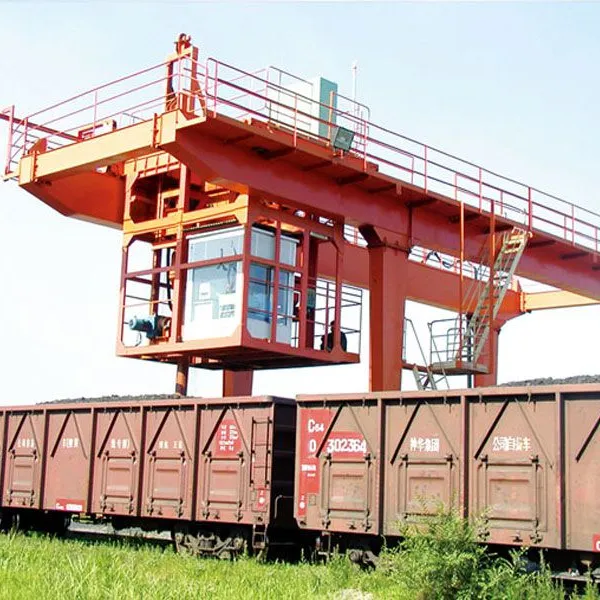 Read More
 -
Coal Weighing Feeders in Power Plants: How Fuel Feed Control Keeps Combustion on Target
September 1, 2026In a coal-fired power plant, the journey from bunker to burner begins with a single piece of equipment that decides how much fuel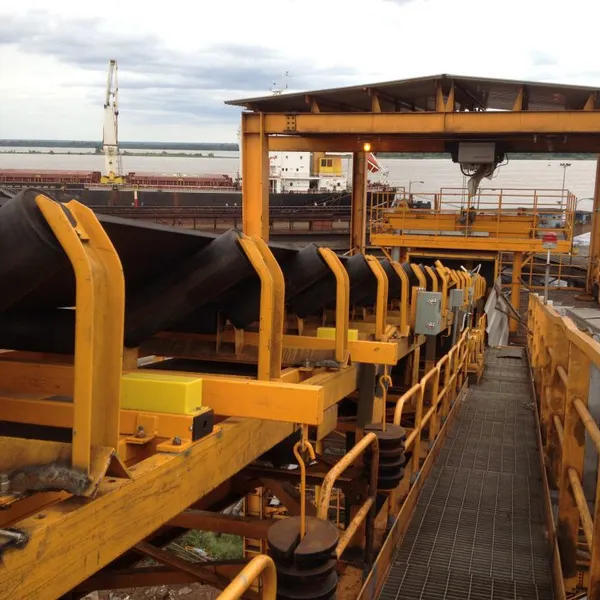 Read More
 -
Belt Scale Accuracy Standards: OIML R50 and What the Classes Really Mean
August 31, 2026A purchaser who asks for "a 0.5% belt scale" without stating the standard is comparing prices against a number that has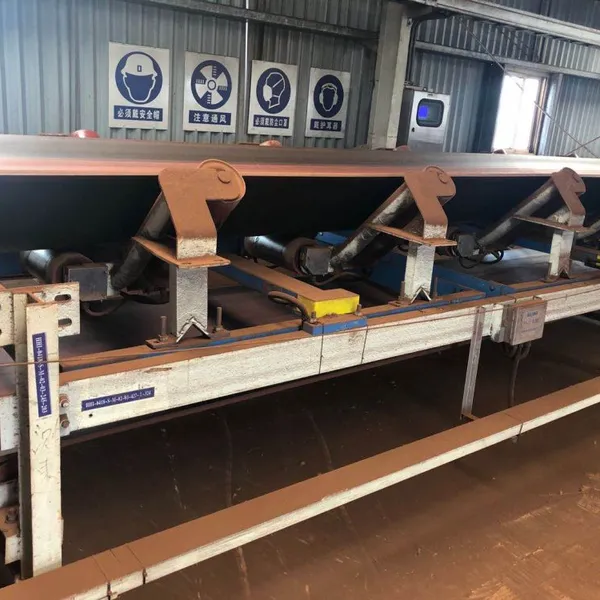 Read More
 -
How to Choose a Coal Weighing Feeder: A Buyer's Guide for Reliable Fuel Metering
August 28, 2026A coal feeder that meters fuel at the wrong rate does not announce itself with a loud failure. It delivers a slightly lean or rich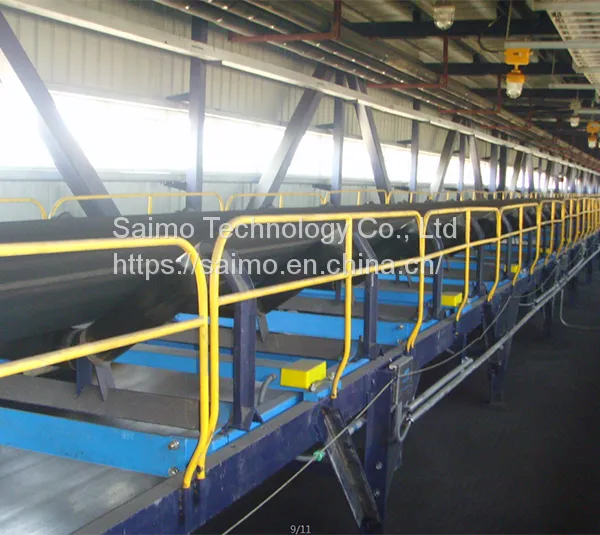 Read More

Contact Us
Recommended Products
-
 SAIMO Automatic Train Sampler Auger Sampling Systems Coal SamplesNegotiableMOQ: 1 Combo
 -
Saimo's Model S70 Sweep Type Sampling Machine Sampling SystemNegotiableMOQ: 1 Set
-
SAIMO Pressure-resistant Gravimetric Coal Feeder, Model F55NegotiableMOQ: 1 Piece
-
Saimo F52 Mid Range Weigh Belt Feeder System Weighing FeederNegotiableMOQ: 1 Piece
-
Saimo Feeder Controller Weighing Controllers 6105/6105B FH-02-6000PNegotiableMOQ: 1 Piece
-
SAIMO Electronic PLR20-2D-J PL20 Safety Pull Switches Conveyor ProtectionsNegotiableMOQ: 1 Piece
-
SAIMO Electronic Belt Misalignment Switch ROS-2D-FM RUN OFF SWITCHES EXtaIIICNegotiableMOQ: 1 Piece
-
Saimo 6301 Belt Scale Integrator 6301D Digitizer FH-03-6000FNegotiableMOQ: 1 Piece
-
Saimo Speed Detector PLR12R/PLR12RN/PLR12RS Speed SensorNegotiableMOQ: 1 Piece
-
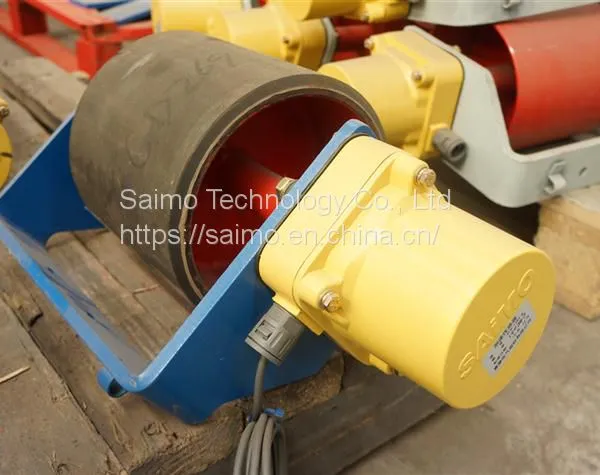
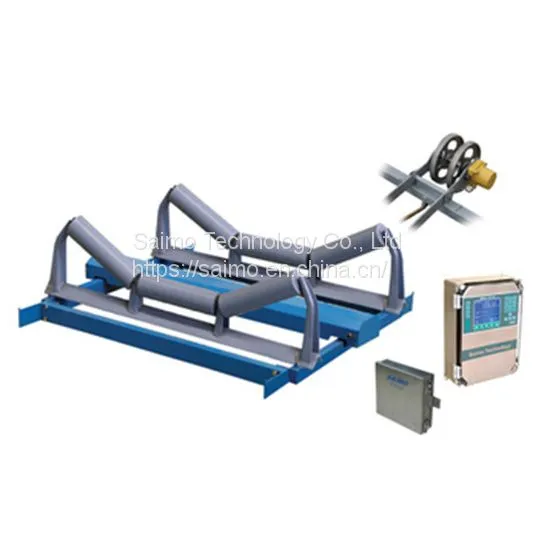
Saimo Technology ICS-FH-2 Belt ScaleNegotiableMOQ: 1 Piece
-
SAIMO F57 Fluidized Bed Boiler Coal FeederNegotiableMOQ: 1 Combo
-
SAIMO Automatic Truck Sampler Auger Sampling Systems Coal SamplesNegotiableMOQ: 1 Combo
-
SAIMO F55 Pressure-Tolerant Weighing Coal FeederNegotiableMOQ: 1 Combo
-
Saimo Feeder Controller Belt Integrator6001/6001B FH-10-6000FNegotiableMOQ: 1 Piece
-
Saimo Technology PL50 Belt Damage Detector PLR50NegotiableMOQ: 1 Piece

-
Saimo's Auger Type Sampling Systems AUGER SAMPLING SYSTEM FOR TRUCKNegotiableMOQ: 1 Set
-
Saimo's Model S76 Sampling UnitNegotiableMOQ: 1 Set
-
SAIMO ICS-FH-16 High Precision Belt ScaleNegotiableMOQ: 1 Combo
-
Saimo 6101 Belt Scale Integrator 6000 Integrator FH-10T-6000FNegotiableMOQ: 1 Piece
-
Saimo Technology Tilt Switch Probe Model PLR30M-FM EXta IIICNegotiableMOQ: 1 Piece